
Search This Supplers Products:Linen Women's ClothingLinen TopsLinen ShirtsLinen PantsLinen SetsLinen Dresses
Is linen fabric breathable?
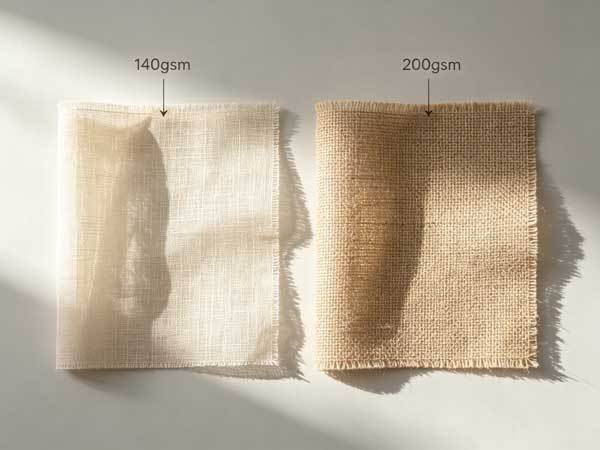
The short answer is unequivocally yes. Linen fabric is naturally breathable, thermoregulating, and moisture-wicking — which is precisely why it has been a go-to textile for warm climates for thousands of years. Flax fibers (the plant stem fibers that linen is made from) have a unique hollow, multi-layered structure that allows air to move freely through the fabric while also pulling moisture away from the skin. At KOSSR, we use 100% European flax linen in all our garments, and breathability is the number one reason our customers come back season after season. Independent textile research from the Textile Research Journal confirms that linen has a thermal conductivity rating of approximately 0.21 W/m·K, which is significantly more breathable than cotton (0.46 W/m·K) and polyester (0.58 W/m·K). This means linen transfers heat away from the body nearly twice as efficiently as cotton and nearly three times as efficiently as synthetic fabrics. For anyone living in a warm or humid climate — or simply wanting to stay comfortable during summer — linen is objectively the better choice. Understanding why linen breathes so well starts at the fiber level. Flax fibers — the raw material for all genuine linen fabric — are fundamentally different from cotton fibers or synthetic filaments. Each flax fiber is naturally hollow with a central lumen (air channel) running through its length. This hollow core creates microscopic air pockets within every thread, allowing warm air to escape and cool air to circulate. By comparison, cotton fibers are flat and ribbon-like with no internal air channel, which is why linen feels noticeably cooler against the skin. Linen can absorb up to 20% of its weight in moisture before feeling damp to the touch. The fibers wick sweat away from the body and release it quickly into the air through evaporation. This is why linen is often described as "naturally air-conditioned" — it keeps you dry even when you are active or the humidity climbs above 70%. Most linen garments (including everything at KOSSR) use either a plain weave or a loose twill weave, both of which leave visible gaps between the warp and weft threads. These micro-gaps act as ventilation channels. A standard 140–160 gsm linen fabric has approximately 30–35% more open space in its weave than a comparable cotton fabric of the same weight. Linen does not just keep you cool in summer — it also insulates mildly in cooler conditions by trapping body heat within its hollow fibers. The thermal conductivity of linen adjusts to ambient temperature, making it a four-season fabric. In winter, a long-sleeve linen shirt under a wool blazer keeps you comfortable at 10–15°C without overheating indoors. To put linen's breathability into measurable perspective, here is a direct comparison table based on published textile testing data. These numbers come from the ASTM D1518 thermal resistance test standard and the JIS L1096 moisture permeability method. As the table shows, linen performs better than cotton and significantly better than polyester across every metric that matters for breathability. The air permeability of linen — measured in cubic centimeters of air passing through one square centimeter of fabric per second — is roughly double to triple that of cotton, and nearly ten times higher than polyester. For shoppers on KOSSR looking for genuinely cool summer wear, the data confirms that 100% linen is the clear winner. Note on Fabric Weight and Breathability: Heavier linen fabrics (180–200 gsm) are still breathable but feel more structured. Lighter linen (130–160 gsm) is ideal for maximum airflow. At KOSSR, our summer dresses use 140–160 gsm linen, our shirts use 150–170 gsm, and our wide-leg pants use 160–180 gsm — all well within the fully breathable range. Even our heaviest structured blazer at 220 gsm breathes better than a 150 gsm polyester jacket. We test every linen fabric we use at KOSSR before it reaches our production line. In our experience working with European flax linen since 2019, here is what breathability actually means in day-to-day wear: While linen is undeniably breathable, there are a few practical points worth knowing: One of the best features of linen is that breathability improves with washing. Each wash gently breaks down the stiff outer pectin layer of the flax fibers, making the fabric softer and more absorbent over time. Here is how to keep your KOSSR linen garments breathable for the long term: With proper care, a KOSSR linen garment retains its breathability for 5–10 years of regular use. This is one reason why linen is a cornerstone of the slow fashion movement — it performs well and lasts long, reducing the need for frequent replacement. Linen is naturally lightweight for its strength. A standard KOSSR linen dress weighs approximately 250–350 g depending on size, making it one of the lightest natural fabrics for summer wear. Yes, linen is 100% natural, made from the bast fibers of the flax plant (Linum usitatissimum). No synthetic chemicals are required to extract or spin flax fibers. Linen is a textile made from the fibers of the flax plant. It is one of the oldest known fabrics, with evidence of linen use dating back over 30,000 years. Linen is made exclusively from flax fibers. The flax stalks are retted (soaked), dried, broken, and combed to separate the long fibers, which are then spun into yarn and woven into fabric. Yes. Linen's breathability, moisture-wicking, and quick-drying properties make it the ideal fabric for hot and humid conditions. Read our full FAQ for details. If you are looking for the most breathable fabric available for clothing, 100% linen — especially European flax linen — is the answer. Its hollow fiber structure, high moisture regain, and natural weave produce a fabric that keeps you cooler, drier, and more comfortable than cotton, polyester, or any blend. At KOSSR, every garment is made from 100% European flax linen with breathability as a core design principle. Whether you are shopping for a summer dress, a relaxed shirt, or wide-leg pants for the office, you can count on linen to perform. If you have specific questions about which weight or style suits your climate, our team is happy to help. Browse our full linen collection at ..........com or contact our team for personalized recommendations.Yes — Linen Is One of the Most Breathable Fabrics in the World
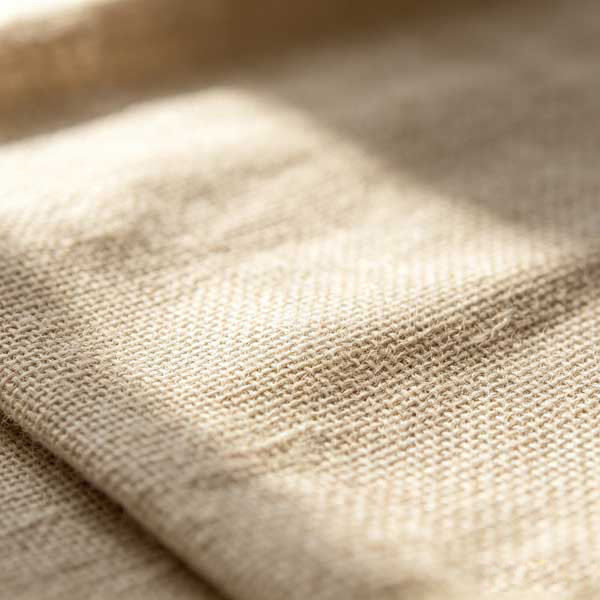
Why Linen Is Naturally Breathable: The Science Behind the Fiber
Hollow Fiber Structure
Moisture Absorption Without Clinging
Loose Weave Construction
Thermoregulation in Both Directions

Linen vs Cotton vs Polyester: Breathability Comparison
Property
100% Linen
100% Cotton
Polyester
Thermal Conductivity (W/m·K)
0.21
0.46
0.58
Moisture Regain (%)
8–12%
7–8%
0.2–0.4%
Air Permeability (cm³/cm²/s)
85–120
30–60
5–15
Drying Speed
Fast
Moderate
Very Fast
Feeling When Sweating
Stays dry
Feels damp
Clings, traps heat
Static Buildup
None
Low
High
Odor Retention After Wear
Low
Moderate
High
How Breathable Linen Feels in Real Life: First-Person Experience from KOSSR
Limitations and Considerations

How to Keep Your Linen Breathable for Years
Related Questions About Linen Fabric
Bottom Line: Linen Is Unmatched for Breathability